New York Auction Week
During the last weeks of November, the major auctions in New York have made a very big statement that trophy works still sell:
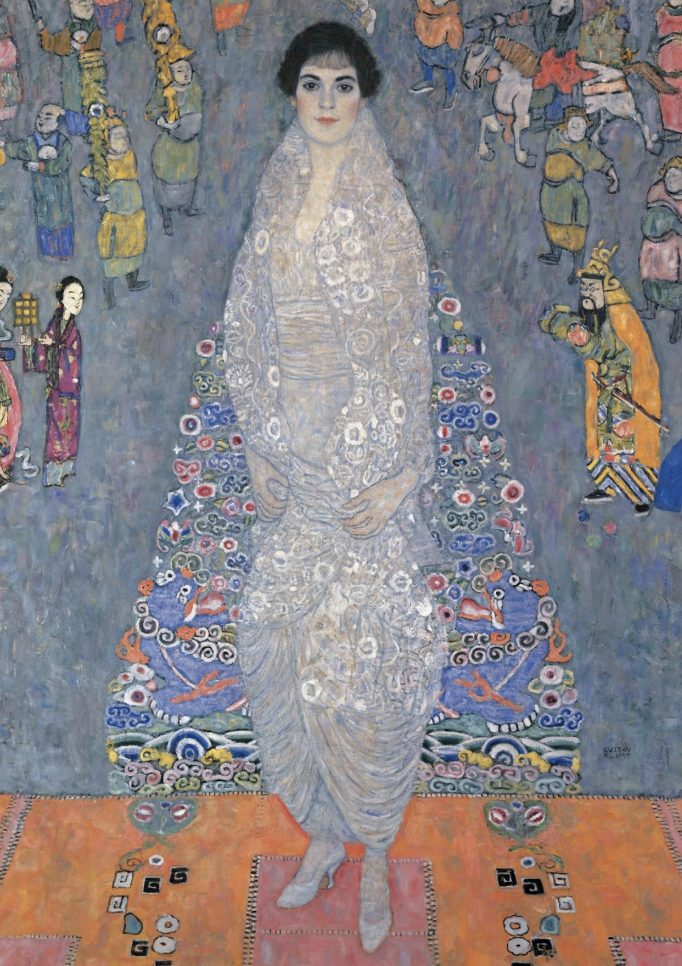
New York’s fall auction season was strong across all major houses. Sotheby’s led with approximately $1.17 billion in sales, its best New York series since 2021. The standout was Gustav Klimt’s Portrait of Elisabeth Lederer at $236.4 million, now the most expensive modern artwork ever sold at auction. Sotheby’s three-part Modern evening sales totaled about $304.6 million, featuring a Van Gogh at $62.7 million and Frida Kahlo’s El sueño (La cama) at $54.7 million, a record for Kahlo and any female artist. Sell-through rates were high, and although guarantees played a role, bidding on top works was genuinely competitive.
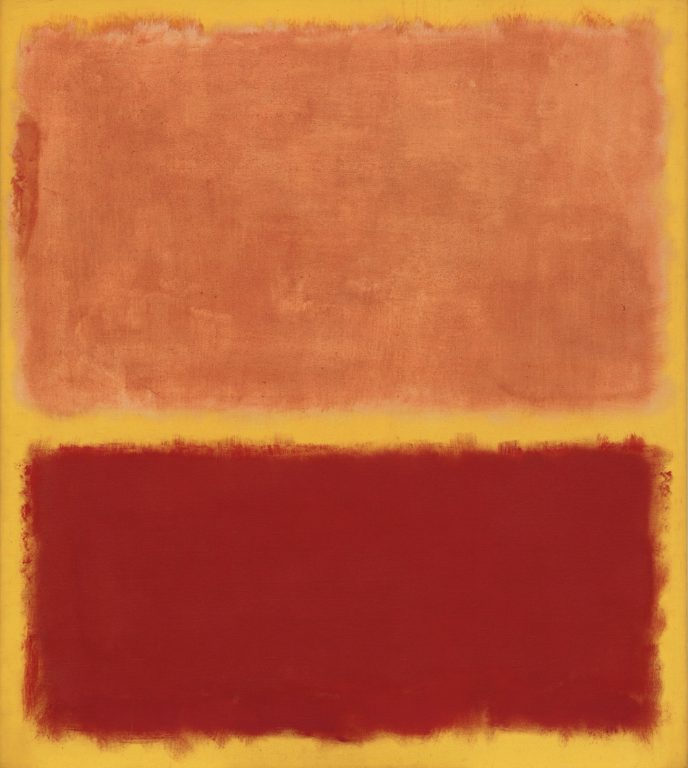
Christie’s achieved about $965 million in its 20th/21st Century week (its strongest performance in three years) with approximately 90% of lots sold, reflecting healthy demand for top-tier material priced within realistic estimates. An orange and yellow-toned painting by Mark Rothko sold for $62,160,000 from the collection of Robert F. and Patricia G. Ross Weis.
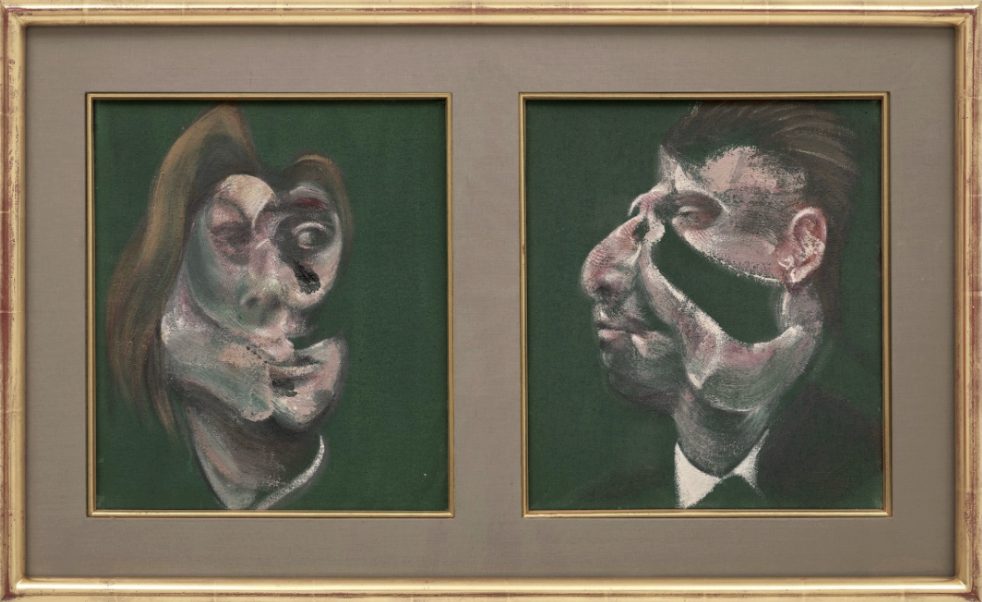
Phillips realized $67.3 million in its Modern & Contemporary evening sale, a 24% increase over last year, with a 94% sell-through rate and several artist records. Their inclusion of natural history lots drew attention and produced mixed results. The top lot of the sale was Francis Bacon’s Study for Head of Isabel Rawsthorne and George Dyer (1967), which sold for $16 million with premium, right in the middle of its estimate of $13 million to $18 million.
The Takeaway from New York November Auctions:
- When truly exceptional works appear, there is still intense global bidding power (Klimt, Kahlo, Van Gogh).
- Sell-through rates in the majors are high, but achieved via more conservative estimates, guarantees, and tightly edited sales.
- Middle and lower tiers are much more price-sensitive; some younger-artist lots are viewed cautiously.
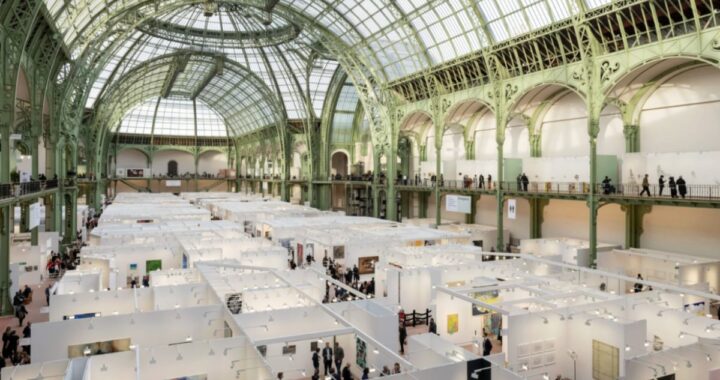
Two of the art world’s most important international fairs (Art Basel Miami Beach and Art Basel Paris) signaled renewed confidence among collectors, steady demand across price levels, and a healthy appetite for both established blue-chip names and thoughtfully curated contemporary programs.
Art Fairs – Art Basel Paris and Miami Beach
Art Basel Miami Beach
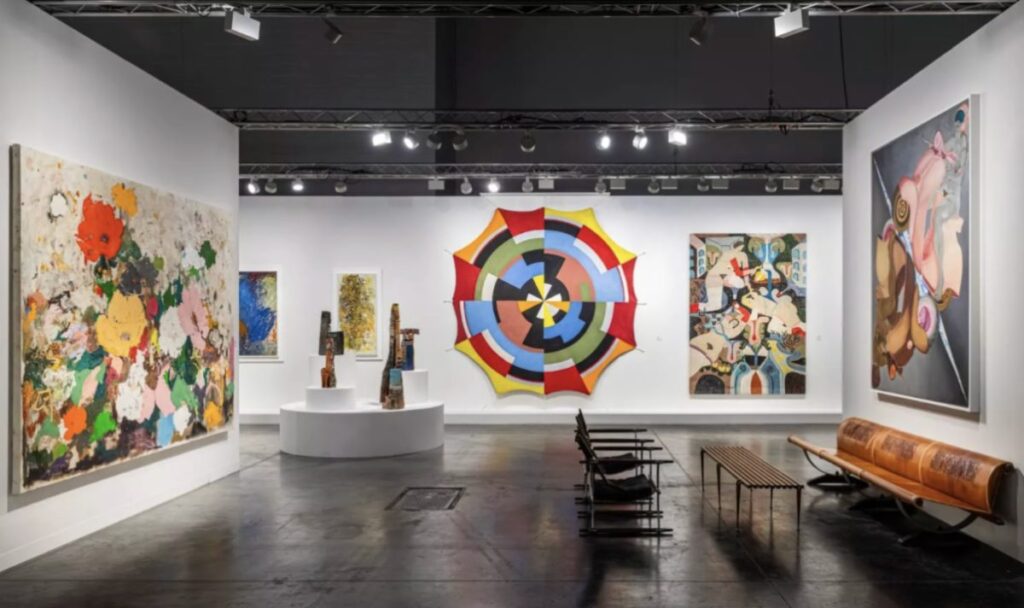
The Miami edition delivered one of its most energetic fairs in recent years. With 283 galleries from more than 40 countries, dealers reported seven-figure transactions early in the week, strong institutional presence, and consistent mid-market activity, an important indicator of overall market health.
A new digital art sector debuted to considerable buzz, underscoring ongoing interest in technologically driven practices. Overall, Miami reflected a confident and well-capitalized collector base willing to transact when works were priced intelligently and presented with clarity.
Art Basel Paris
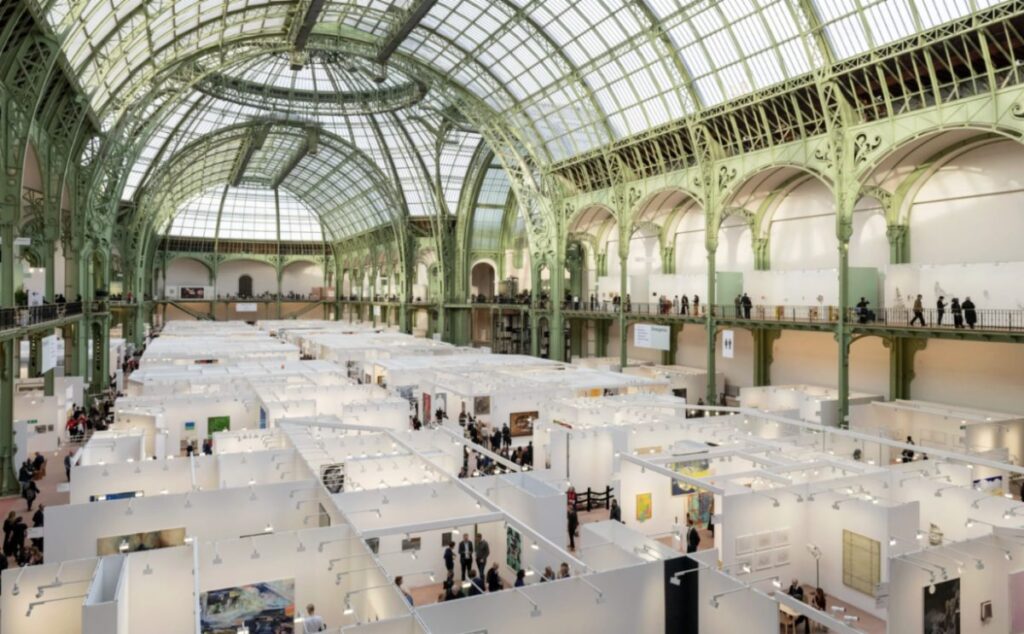
Now in its fourth year, Art Basel Paris has quickly become a key European marketplace. The fair brought together 206 galleries from 41 countries and recorded strong sales across both modern and contemporary categories.
The newly introduced preview day created focused early momentum, with multiple six and seven-figure sales reported. Parisian galleries also benefited from strong local and European demand, reinforcing the city’s increasing importance as a global art hub.
What These Fairs Tell Us About the Market
Taken together, the Paris and Miami fairs offer several encouraging signals:
- Collector confidence is strengthening
- Blue-chip material remains resilient
- Thoughtfully priced mid-range works continue to perform well
- Innovation is being rewarded
- Global participation remains robust, reflecting a marketplace that is broad, diverse, and increasingly interconnected.
What This Means for Collectors
Opportunity for Strategic Acquisitions: With lower competition and softening prices at the top end, this may be an opportune time to acquire quality pieces, especially in the mid-market range.
Increased Importance of Provenance & Condition: As buyers become more selective, clear provenance, condition, and historical context matter more than ever. Detailed, well-documented appraisals can enhance marketability and value.
Flexibility & Patience: Given market volatility, a long-term view and flexibility, in timing, medium, and strategy, will often yield the most favorable outcome.
Looking Ahead to 2026
As we enter the new year, we expect a period of strategic rebalancing in the art and antiques market. Key trends to watch:
- A continued pivot toward quality works in the lower-to-mid price brackets, which may offer value and stability.
- Growing interest from a younger and more diverse generation of collectors, including first-time buyers.
- Continued emphasis on provenance, condition, and documentation. Making professional appraisals and cataloguing more essential than ever, particularly to secure accuracy for planning and protection purposes.